Introduction
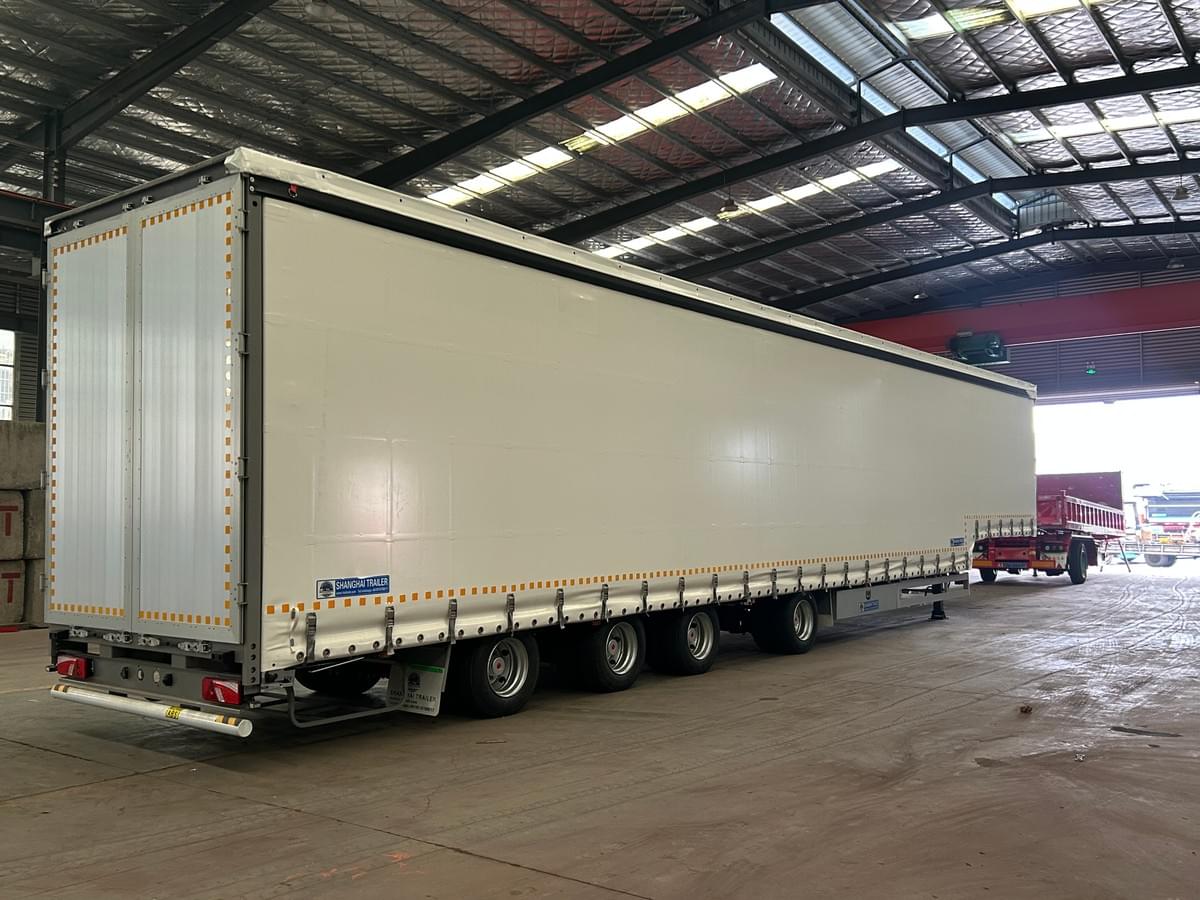
Curtain side semi-trailers have revolutionized the logistics industry by combining the flexibility of flatbeds with the protection of enclosed trailers. As demand for these versatile vehicles grows, manufacturers must navigate complex production requirements to deliver products that meet stringent safety standards while optimizing operational efficiency. This comprehensive guide outlines essential considerations for producing high-quality curtain side semi-trailers that comply with international regulations and exceed customer expectations.
1. Structural Design and Engineering Excellence
Frame Construction Fundamentals
The foundation of any reliable curtainsider lies in its frame construction. Modern manufacturing demands a strategic combination of **high-strength steel and aluminum components** to achieve optimal durability-to-weight ratios. The upper structure must be engineered to create stress-relieving joints at all four corners of the trailer chassis, ensuring structural integrity under dynamic loading conditions.
Key Design Parameters:
- Maximum operational load limits: Must not exceed 34,000 pounds (15,400 kg) per DOT regulations
- Frame materials: Hybrid aluminum/steel construction for corrosion resistance and weight reduction
- Joint integrity: Bolted connections preferred for stress distribution and field repairability
Curtain System Engineering
The defining feature of curtainsiders—the flexible side curtains—requires specialized engineering attention. The tarpaulin material must demonstrate both **tensile strength and UV resistance** while maintaining flexibility for rapid loading operations. Manufacturers should specify fabrics that withstand environmental degradation while providing adequate cargo protection.
2. Regulatory Compliance and Certification
Federal and International Standards
Trailer manufacturing operates under strict regulatory oversight. In the United States, manufacturers must comply with **National Highway Traffic Safety Administration (NHTSA)** requirements, including proper Vehicle Identification Number (VIN) formatting, certification labels, and adherence to Federal Motor Vehicle Safety Standards (FMVSS).
Critical Compliance Areas:
- VIN Requirements: Each trailer must include a properly formatted VIN meeting specific content and physical requirements
- Certification Labels: Must be permanently affixed and include GVWR (Gross Vehicle Weight Rating) and GAWR (Gross Axle Weight Rating)
- Lighting and Conspicuity: Full compliance with visibility regulations, including reflective tape placement and lighting systems
- Tire Recordkeeping: Detailed documentation of tire specifications and TIN (Tire Identification Number) cards for distribution
Third-Party Verification
Participation in recognized verification programs, such as the **National Association of Trailer Manufacturers (NATM) Compliance Verification Program**, provides manufacturers with technical support and biennial consultations covering critical safety considerations including VIN labels, brake standards, breakaway systems, and conspicuity requirements.
3. Component Integration and Quality Control
Critical Component Selection
The adage that "a chain is only as strong as its weakest link" applies directly to trailer manufacturing. All components—from suspension systems to braking hardware—must be carefully matched according to their predetermined capabilities.
Component Matching Protocol:
- Axle/hub assemblies rated for intended load capacity
- Wheel specifications matching stud type and load ratings
- Fastener torque specifications documented and verified
- Brake systems compliant with GB12676 or equivalent FMVSS standards
Assembly Process Control
Manufacturing facilities must implement **documented assembly plans** that include:
- Detailed component listings with specifications
- Torque ranges for intermediate and final assembly stages
- Calibration schedules for torque application tools
- Lubricant specifications and application points
Quality Assurance Records:
-Torque confirmation checks
- Instrument calibration records (minimum 2-year retention)
- Employee training documentation
- Corrective action reports
4. Specialized Production Considerations for Curtainsiders
Cargo Securement Integration
Unlike traditional enclosed trailers, curtainsiders require integrated cargo securement systems. Manufacturing specifications must include:
- Strap anchor points: Rated for minimum break-strength of 3,000 pounds (1,360 kg)
- Sliding roof systems: For top-loading capabilities without Curtain Removal
- Internal Cargo Control System: Central partition and adjustable loading bar
- Door Configurations: Optional configurations include swing doors, roller shutter doors, and PVC high-speed passage doors
Weatherproofing and Sealing
The connection between the curtain and the frame is a critical weak point. The production process must ensure:
- A continuous sealing system along the edges of the curtain
- Reinforced corner protection
- Integrated drainage channels to prevent water accumulation
- Wind resistance testing of the curtain during highway driving
5. Testing and Validation Procedures
Pre-Production Validation
Before mass production begins, the prototype vehicle should undergo comprehensive testing. Leading manufacturers conduct **water pulse test bench life tests** on the prototype vehicle, simulating years of road driving stress, before the first drive.
Production Testing Requirements
Road Testing Procedures:
- Conduct a 20km road test on at least 5% of production batches (at least one unit), with an average speed ≥30 km/h.
- Check frame alignment, braking performance, and component safety.
- Validate lighting system and electrical connections.
Specialized Tests:
- Curtain durability cycle test (open/close operation)
- Waterproof spray test
- Load distribution verification under simulated cargo scenarios
6. Documentation and Traceability
Production Records
Complete documentation is required for both regulatory compliance and customer support. Each unit must be accompanied by:
- Certificate of Conformity
- CCC certification mark (if applicable)
- Detailed user manual and maintenance plan
- Torque specification sheet for field service
Material Traceability
Batch tracking of critical materials (especially steel alloys, aluminum extruded profiles, and curtain fabrics) enables rapid response to potential quality issues and supports warranty management.
7. Customization and Value-Added Options
Brand Promotion and Graphic Design
Modern curtain semi-trailers can serve as mobile advertising platforms. Manufacturing processes should meet the following requirements:
- Screen printing and digital graphics applications
- Corporate color schemes to ensure a consistent fleet image
- Protective film to extend the lifespan of graphics
Modular Design Options
Providing configurable specifications enhances market competitiveness:
- Variable internal height: From 2,300 mm to 2,470 mm
- Multi-temperature zones: To meet the needs of mixed cargo transport
- Dedicated floor: A reinforcement option for concentrated cargo loading
- Removable pillar system: Facilitates flexible transport of oversized cargo
Conclusion
The manufacture of curtain semi-trailers requires sophisticated technology, strict supervision, and a relentless pursuit of quality assurance. By implementing robust design specifications, maintaining stringent component standards, and ensuring comprehensive testing systems, manufacturers can produce trailers that deliver superior performance and meet the evolving needs of modern logistics operations.
Success in this highly competitive industry requires viewing compliance as a cornerstone of product reliability and brand reputation, not a burden. As the industry evolves towards lighter, stronger, and smarter trailer solutions, manufacturers who master these fundamental production elements will lead the market in innovation and customer satisfaction.